Issue 02 · November 2026 · Tennis / Operations
Why Alan and Steven Schwartz Belong in the HFA Hall of Fame 2027
Discover why Alan and Steven Schwartz belong in the HFA Hall of Fame 2027 and how hands-on racquet club operators outlast absentee investors.

When the Health & Fitness Association announced that Alan and Steven Schwartz would enter the HFA Hall of Fame 2027, it validated a truth that absentee investors have spent decades ignoring. Hands-on operator grit beats passive capital on the court every single time. HFA interim president and CEO Greta Wagner confirmed that the father-and-son duo will be officially inducted on March 10, 2027, during the opening night of The HFA Show in Las Vegas.
I have played tennis all my life and I'm now involved in pickleball and padel as well as writing for the racquet sports industry. As I've watched court businesses open and shutter over decades in the sport, one pattern never changes: the people who work for the good of the sport and the good of their club members are always the ones who survive. Alan Schwartz and Steven L. Schwartz proved over five decades that building world-class athletic clubs requires direct presence, an obsession with player development, and zero tolerance for absentee shortcuts.
Why the Schwartz Induction is the Most Deserved Honor in Fitness Right Now
The Schwartz family name is synonymous with innovation in the racquet sports and upscale fitness industry: Alan Schwartz co-founded Tennis Corporation of America (TCA) alongside his own father, Kevie Schwartz. Together, they built the world’s largest indoor tennis facility in Chicago (the original Midtown Tennis Club), aiming not just to sell court time, but to actively teach and grow the sport.
That distinction between selling hours on a hardwood or acrylic surface and cultivating an active membership base is the foundation of their entire operating philosophy. When Alan and Kevie launched Midtown in Chicago back in 1970, indoor tennis was widely considered an unforgiving, high-overhead operational nightmare with brutal utility bills and erratic seasonal churn. They survived and dominated because they developed programming systems that turned raw beginners into lifelong league players who spent money at the club three days a week.
The family carried that operational standard directly into the next generation. Steven Schwartz joined TCA Holdings in 1987, becoming president in 1990 and CEO in 1998, successfully steering the brand through decades of evolution while preserving its core emphasis on community, personal growth, and financial soundness.
Under Steven's leadership, TCA expanded far beyond standard court rentals, repositioning Midtown into a hybrid of luxury hospitality, full-service health club, and high-performance training ground. Honoring both men together validates what sustained industry leadership looks like: it is generational, operationally disciplined, and deeply tied to the baseline realities of the gym floor.
The Hands-Off Investor Fallacy in Modern Athletic Clubs
Most people in the industry get wrong the idea that you can just run massive athletic clubs by becoming a hands-off investor. With the recent boom across tennis, pickleball, and padel, private equity groups and wealthy syndicates have rushed in, buying up warehouse space and installing automated access gates with the mistaken belief that a club practically runs itself. They become investors and often step back completely, treating multi-court complexes like self-storage units that happen to have net posts.
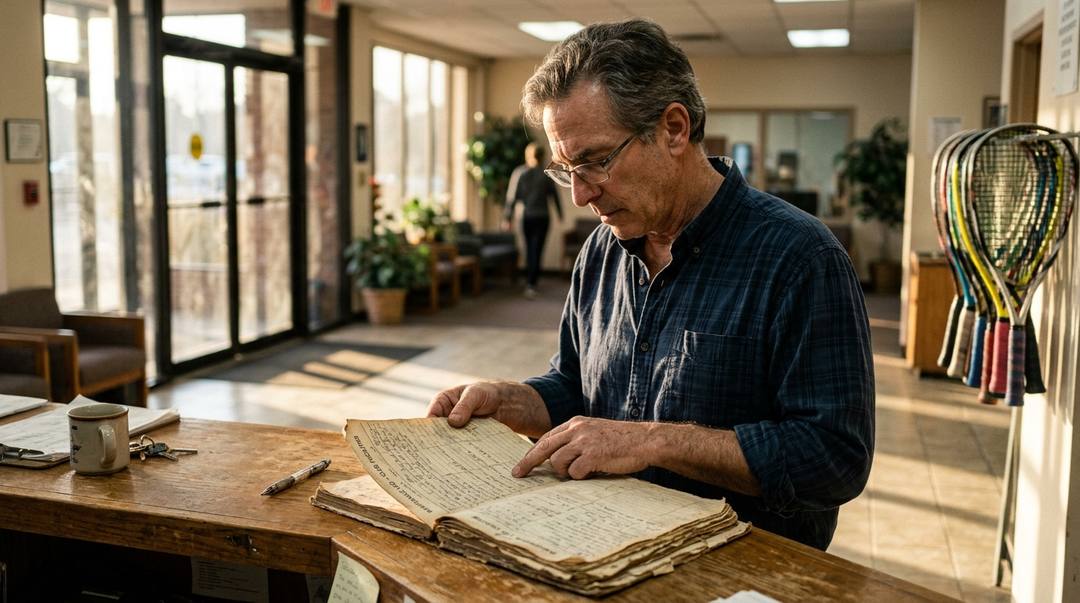
As I've witnessed firsthand in facilities backed by outside capital, staff and management change much more regularly when leadership lacks a personal touch. Employees look at the job as just a corporate shift, and that disconnect drains the life out of the club atmosphere.
That model breaks down rapidly under real operating pressures. When an absentee owner cuts staff to protect a short-term margin, core facility upkeep slips within months. Cushion-court resurfacing cycles get deferred beyond their normal four-to-five-year window, high-bay LED fixtures stay dim for weeks because nobody on site holds maintenance authority, and the head teaching professional gets pulled away from developmental junior clinics to resolve automated entry gate failures. Within twelve months, your top-tier league players drift down the road to whatever facility actually cares about their matches.
The Schwartz playbook proved the exact opposite: an athletic facility endures only when management treats the venue as an active coaching institution rather than passive square footage. Here is what that hands-on approach looks like across daily operations:
In practice, that hands-on model treats cushion-court resurfacing as a non-negotiable structural expense rather than discretionary overhead. It protects teaching pros with clear career pathways instead of disposable 1099 contracts, fills off-peak court sheets with progressive junior clinics, and keeps managers out on the viewing mezzanine talking to players during peak evening league play instead of hiding behind spreadsheets.
When you look at modern operations through that lens, absentee ownership is not just lazy. It is an expensive way to destroy a hospitality asset.
Building for the Love of the Sport Versus Collecting Rent
When I look at how racquet facilities are run, I see a sharp split between operations built around player community and those designed purely to extract monthly fees. This contrast matters because it determines whether a club survives a local economic downturn or loses its membership the moment a cheaper box gym opens down the street.
As Alan Schwartz often reminded industry operators, working for the good of the sport organically grows a business because coaching and educating players builds trust that marketing cannot replicate.
That division shows up immediately in the physical layout of the building. Operators committed to the game protect generous baseline runoffs and proper court spacing, while landlords trying to harvest square footage squeeze in half-courts to maximize immediate rental yields. The same divide defines the front desk. A club built for players employs staff who compete, coach, and understand the technical demands of racquet sports. A transactional warehouse employs desk clerks who cannot answer basic stringing or paddle questions. When economic conditions tighten, community hubs hold their members because the social fabric is sticky, whereas transactional boxes suffer immediate churn as players abandon nickel-and-dime pricing structures.
Building purely for rent extraction creates a transactional friction that members feel on every single visit. Investing in the health of the game builds a trust that no marketing campaign can buy.
Weighing the Critique of Family-Led Operations
Skeptics often claim multi-generational family leadership cannot scale cleanly in an era dominated by institutional capital and corporate management structures. The argument suggests family businesses inevitably struggle with succession planning, internal politics, and professional governance as facilities expand across multiple metropolitan regions.
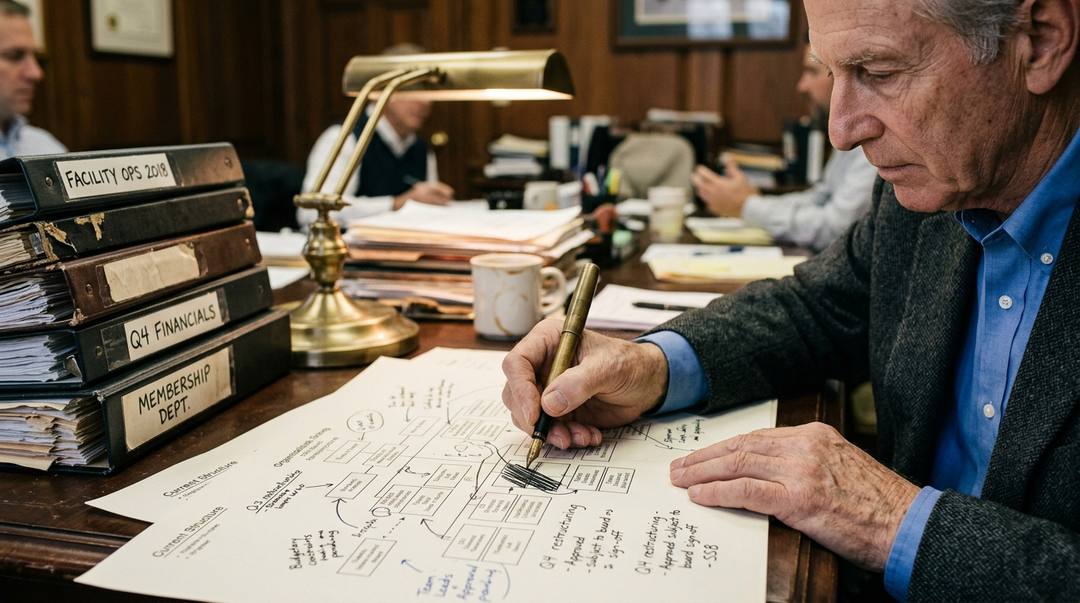
TCA proved that critique wrong by separating emotional entitlement from executive competence. Steven spent eleven years inside TCA Holdings learning every layer of facility development and operations before stepping into the CEO role in 1998, ensuring the company maintained professional fiscal standards while retaining the agility and personal conviction that outside holding companies almost always lack.
What Today Club Operators Can Learn From Five Decades of TCA
The lesson coming out of the Schwartz family induction into the 2027 Hall of Fame is simple: you cannot outsource your heart or your technical expertise if you want to run an enduring athletic club.
If you are an investor looking to park money in the current racquet sports surge without setting foot on the court or getting to know the teaching pros, save your capital and buy an index fund. Athletic clubs are living community hubs that reward leaders who coach, educate, and stand on the baseline every single week. Alan and Steven Schwartz built an empire by putting the sport first, and our entire industry is better off because of their work.
What I'd Tell Any Club Owner Today
When you step onto the court for your next league match, look up at who actually owns the lights above you and who pays for the cushion beneath your shoes. If the facility is run by an absentee landlord whose only metric is square-foot yield, you are playing in a ticking clock. Support the clubs that invest in coaching pathways, maintain their baseline runoffs, and keep leadership visible on the mezzanine. The industry grows only when operators treat athletic clubs as living communities rather than spreadsheets.