Issue 44 · Padel / Operations
You Won't Guess What the World's Top Racket Sport Is: Real Global Numbers
Discover the top racket sports globally by true player counts. See why badminton and table tennis dwarf Western hype around padel and pickleball.
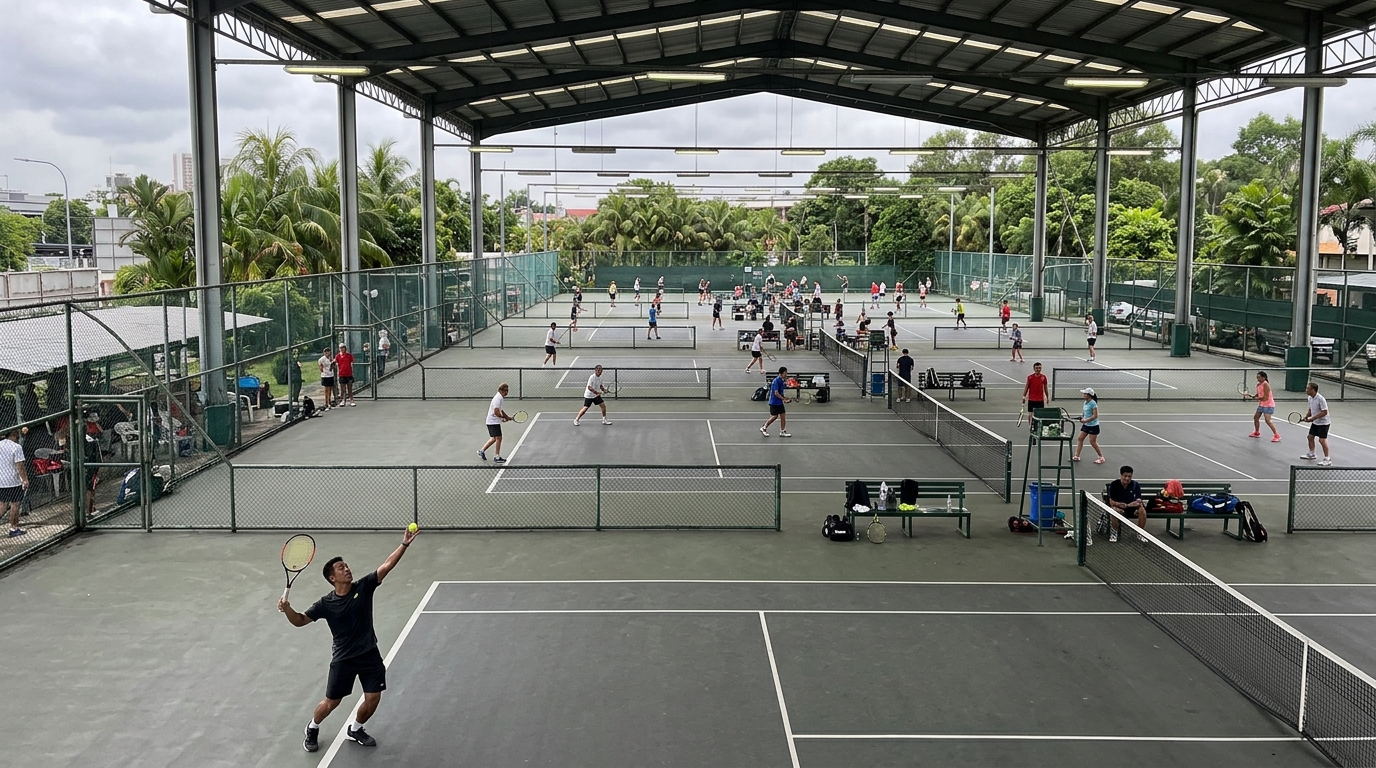
In the global racket sports sector, investor attention often follows social media noise rather than sheer player numbers. Ask an operator or private equity partner in London or New York to name the top racket sports globally, and they almost always point to tennis, padel, or pickleball.
The actual number one sport by worldwide volume is badminton, which commands 384 million active players. Table tennis sits in second place at 300 million, while tennis takes third at 106 million. Padel reaches roughly 36 million, and pickleball trails at 29 million. If you underwrite facility expansion purely on what trends on LinkedIn or Instagram in Western capitals, you are looking at less than a tenth of the actual playing market.
Decoding the Real Global Volume in Racket Sports
When a new court format opens three sites in an affluent suburb, operators assume the entire sporting scene is shifting on its axis. True global volume represents recurring players who buy equipment, book court hours, and play year-round across major population centers. The moment you strip away the localized marketing budgets, the sheer scale shifts heavily toward Asia and parts of mainland Europe.
Badminton commands 384 million players because it is deeply woven into the daily recreation of China, Indonesia, and Denmark. It is accessible, low-friction, and backed by state and municipal infrastructure that has operated for generations.
Table tennis functions the same way, drawing 300 million players across China, Japan, and South Korea. In these markets, municipal parks, community halls, and dedicated training academies keep participation figures steady regardless of global commercial trends.
Capital allocators who build expansion models purely on Western recreational habits miss where the sporting population actually lives. Tennis holds its third-place spot with 106 million players, largely anchored by mature systems in the United States, France, and Spain. But even tennis, with its century of international television rights and Grand Slam heritage, reaches barely over a quarter of badminton's active global base.
The Global Racket Sport Rankings at a Glance
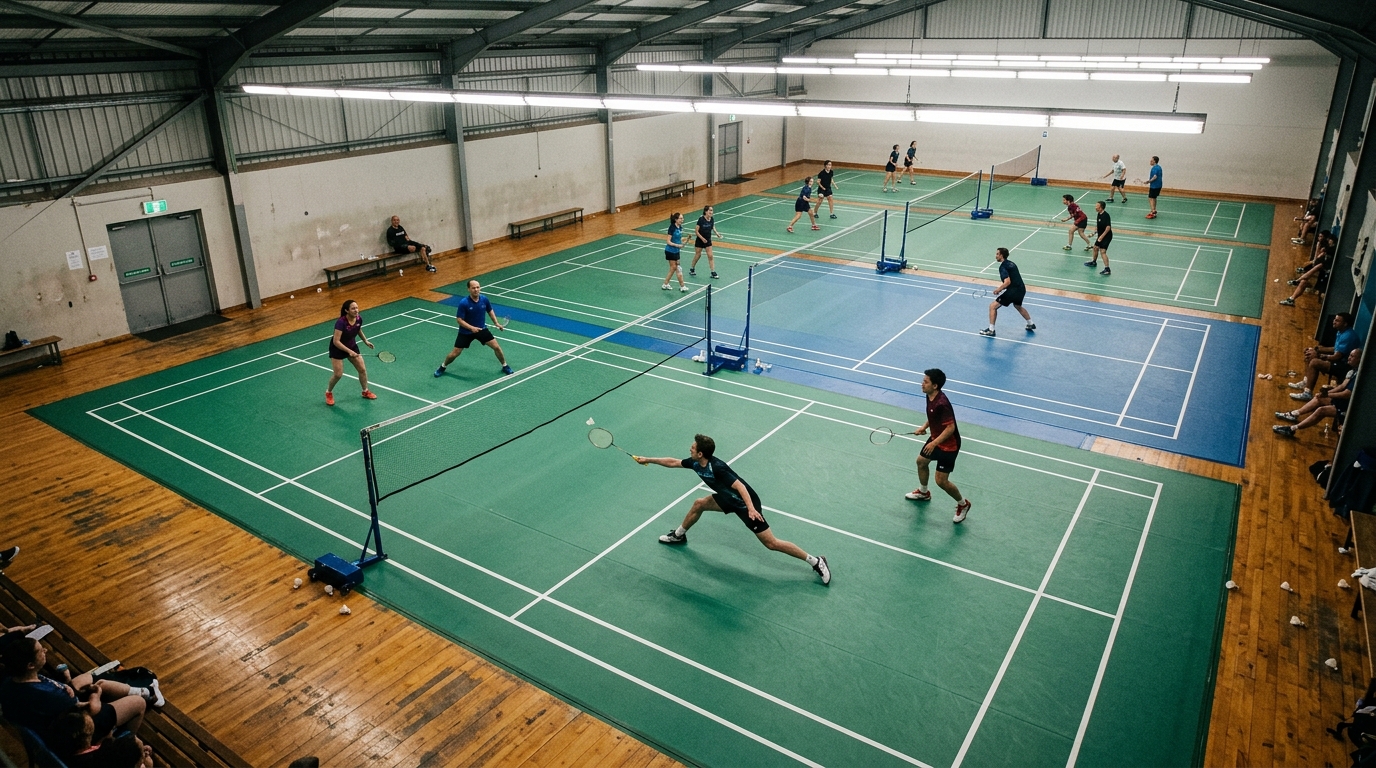
The overall hierarchy of active participants highlights the enormous divide between established global giants and newer regional growth stories. Badminton sits alone at the top with 384 million players, anchored primarily in China, Indonesia, and Denmark. Right behind it, table tennis draws 300 million participants across East Asian strongholds like China, Japan, and South Korea. Tennis takes third with 106 million players, supported by mature infrastructure in the United States, France, and Spain.
Further down the table, padel accounts for roughly 36 million active participants, mostly concentrated across Spain, Argentina, and Italy. That leaves pickleball in fifth place at 29 million players, riding fast momentum across the United States, the Philippines, and Indonesia. In my own experience playing all five of these sports, the physical reality on court tells a very different story from the marketing brochures.
Why Regional Hype Overshadows Worldwide Volume
Right now, almost every industry conversation revolves around padel, but the macro numbers show a very different reality. Padel sits at number four on the global leaderboard with roughly 36 million players, primarily concentrated in Spain, Argentina, and Italy. That total represents roughly 10% of badminton's player base and sits well below 50% of the worldwide tennis population.
As I put it when looking at the numbers: "Right now, all the hype is about padel. But we need to bear in mind it's still only number four in the global popularity stakes and makes up only 10% of badminton players, and is still below 50% of global tennis players."

© articulator.online
Social media hype makes padel look far larger than it actually is. The game photographs well, attracts private club capital, and appeals to working professionals with high disposable income. But an influx of LinkedIn posts and boutique pop-up courts does not equal sustained global scale. In fact, the velocity of its adoption is already leveling off in the very markets that sparked recent headlines.
In the United Kingdom, padel participation growth peaked at 65% in 2023. By 2026, that expansion rate dropped to 23%. A 23% annual increase remains a healthy figure in recreational sports, but it marks three straight years of declining growth, and projections show that downward trend continuing.
The story in the United States follows the exact same flight. US padel peaked at 100% year-on-year growth in 2022. Across the four years that followed, the annual growth rate slipped each season, dropping to 30%. That remains solid by general fitness benchmarks, but it shows that the initial hockey-stick adoption phase has passed. In some secondary international markets, padel has even posted negative growth as undercapitalized facilities close their doors once novelty wears off.
Pickleball occupies fifth place globally with roughly 29 million players. Its fast momentum stems from a very low barrier to entry. Anyone can pick up a paddle and sustain a rally within ten minutes. While adoption in the United States, the Philippines, and Indonesia has moved quickly, it remains an emerging format rather than an established worldwide foundation.
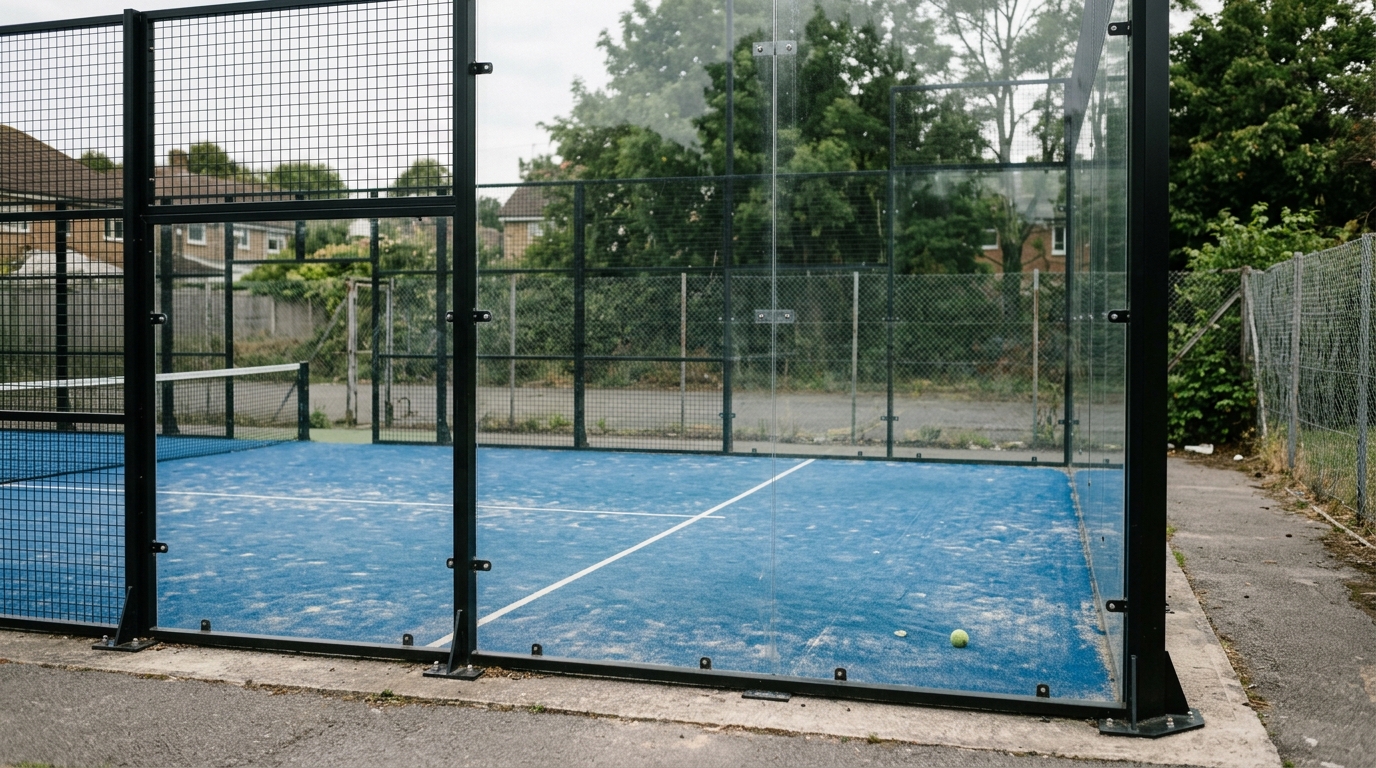
Building commercial facilities solely on peak growth rates ignores the physical cost of development. Padel canopies, specialized glass enclosures, and acoustic baffling carry heavy capital expenses that demand decades of consistent foot traffic. When investors treat a temporary 60% or 100% local spike as a permanent reality, they overbuild into markets that inevitably normalize.
The Overlooked Giants Driving the Industry
Table tennis and tennis remain the foundational pillars of the industry because their commercial baselines do not depend on viral trends. Together with badminton, these three legacy sports account for almost 800 million active participants across the globe.
Table tennis rarely leads facility trade magazines because it requires modest equipment and fits into existing recreational spaces without specialized structural builds. Yet 300 million participants generate relentless demand for blades, rubbers, tables, and coaching networks across East Asia and Europe. The market operates with exceptional durability because it does not require expensive land acquisition to survive. Tennis provides the opposite commercial anchor: high infrastructure investment paired with massive institutional backing.
Industry observers who focus exclusively on padel and pickleball because of their rapid adoption curves lose sight of the commercial engine that actually funds manufacturers and governing bodies. The sports that dominate global participation do not need social media algorithms to maintain their player counts; their ecosystems have been self-sustaining for decades.
As I noted when reviewing club investments: > "They assume because it's performed well in the past and there's a lot of hype that it's going to be a guaranteed way to make money easily."
Practical Next Steps for Industry Observers and Investors
Allocating capital across recreational sports requires distinguishing between regional enthusiasm and genuine global staying power. Capital allocators should base facility cash-flow models on long-term normalized expansion rates rather than peak adoption windows like 65% or 100%. High numbers of new court permits rarely guarantee repeat booking hours once initial curiosity fades. Operators who design sports centers with convertible floor layouts preserve their downside protection if regional interest in emerging formats softens, which keeps the venue viable when the initial rush dies.
Keep in mind, too, that equipment manufacturers targeting global scale must align their distribution networks with badminton and table tennis channels in Asia rather than relying solely on Western markets. Building for the long tail of global participation ensures stability that temporary hype cycles cannot deliver.
If you are evaluating where to direct funding or operational resources, look beyond the loudest feeds. Padel is an exceptional sport that will continue to hold a viable place in modern leisure. But it remains a regional player in a market governed by 800 million legacy participants. Capital allocators who treat padel and pickleball as the center of the racket sports universe are misreading the map.
While Western markets celebrate boutique pop-up courts, badminton and table tennis quietly move nearly 700 million players across Asia and Europe. If you are sinking millions into facility construction or manufacturing, anchor your financial models to the proven giants rather than social feeds. Emerging formats belong in a balanced portfolio, but they operate at the edges of a massive global foundation that rewards patient infrastructure over novelty.
FAQ
What structural features make table tennis facilities so durable against commercial downturns?
Table tennis clubs require minimal square footage and standard flooring, which eliminates the heavy construction costs tied to specialized glass and steel court enclosures. This low overhead lets venues survive economic shifts that force capital-intensive sports clubs to close.
How do equipment replacement cycles compare between high-wear sports like padel and legacy games like table tennis?
Padel balls and heavily stressed structural glass require frequent maintenance and replacement compared to the passive wear seen in table tennis tables and indoor badminton halls. This difference alters the ongoing operational margins for facility managers over a five-year horizon.